
In 1996, the first commercial ophthalmic optical coherence tomography (OCT) system was introduced, ushering in a new era of cross-sectional retinal imaging. Over the following three decades, OCT evolved from an emerging imaging technology into an indispensable tool in modern ophthalmology, fundamentally transforming the diagnosis, monitoring, and treatment of retinal diseases.
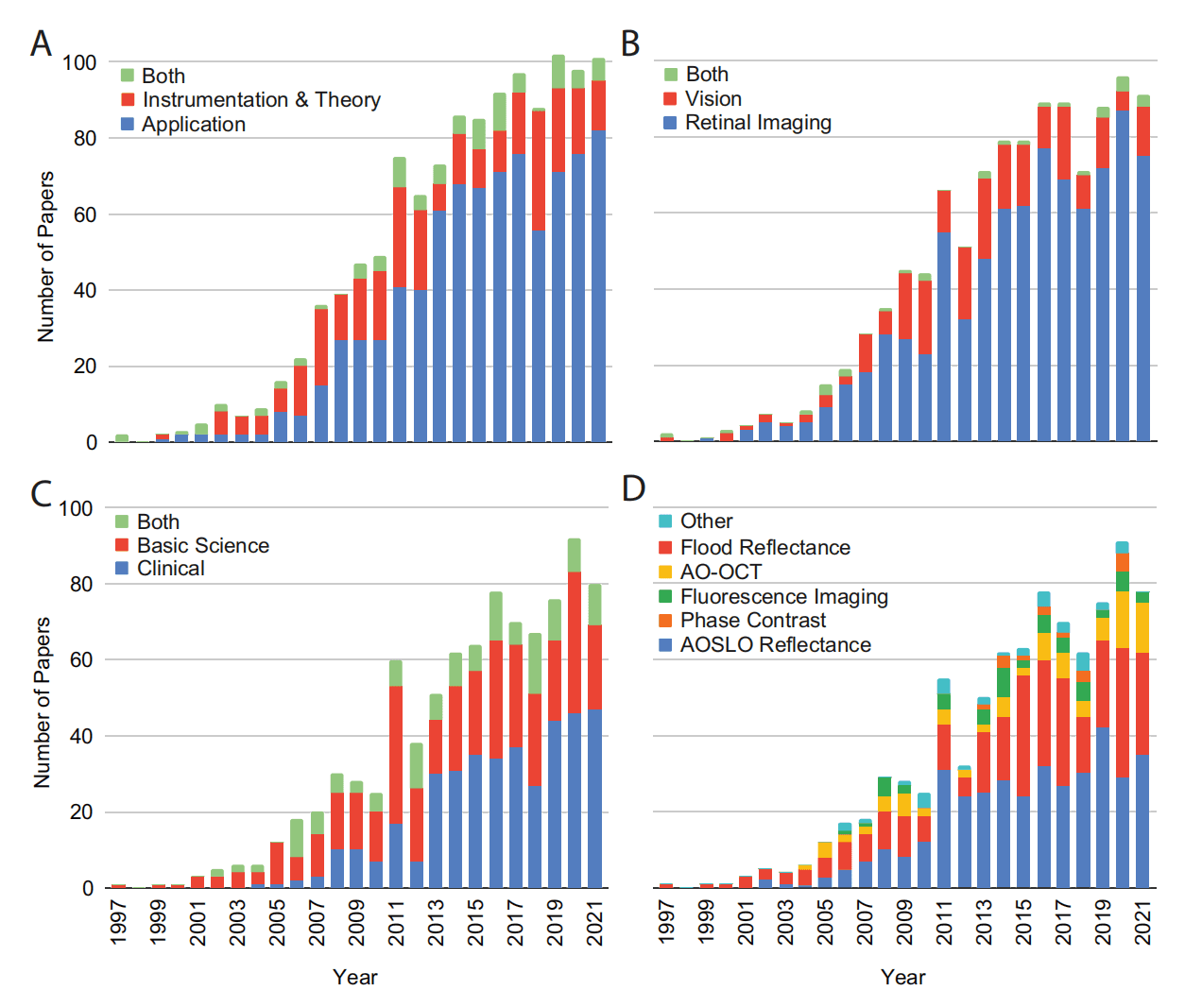
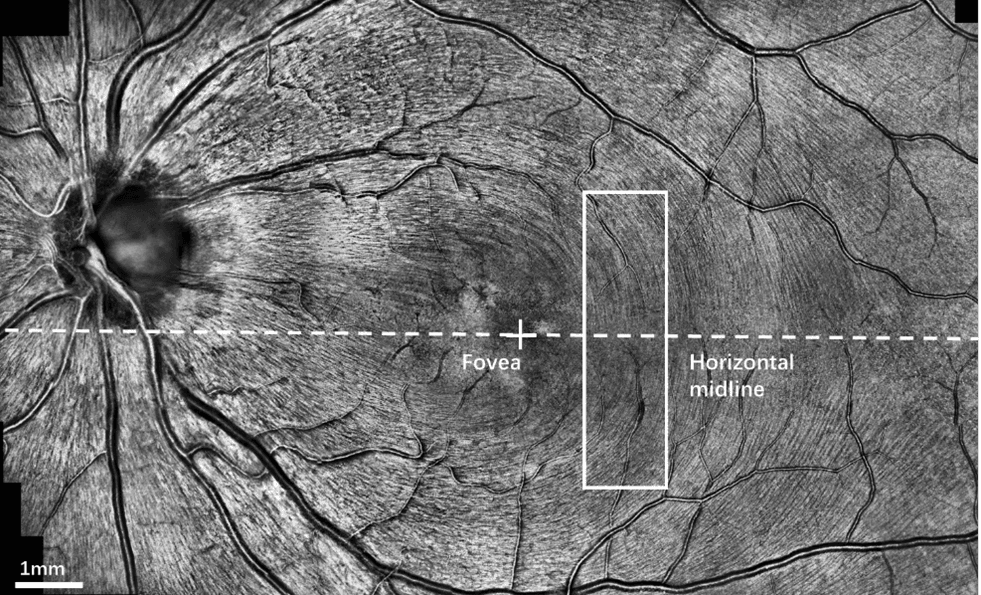
Around the same time, another optical technology began its journey from the laboratory toward retinal imaging: adaptive optics (AO). By correcting the optical aberrations of the human eye, adaptive optics enables us to visualize the living human retina at cellular resolution. Over the past thirty years, research groups around the world have continuously advanced this technology, making it possible to directly observe photoreceptors, retinal nerve fibers, microvasculature, and many other microscopic structures in the living human eye, while expanding our understanding of retinal cells and diseases.
For much of this period, however, adaptive optics remained largely confined to a small number of highly specialized research laboratories. Despite its remarkable capabilities, the technology was complex, expensive, and highly customized, requiring substantial expertise in both system development and operation. One of the greatest challenges has been transforming AO from a technology that can be built into one that can be used reliably, reproducibly, and efficiently.
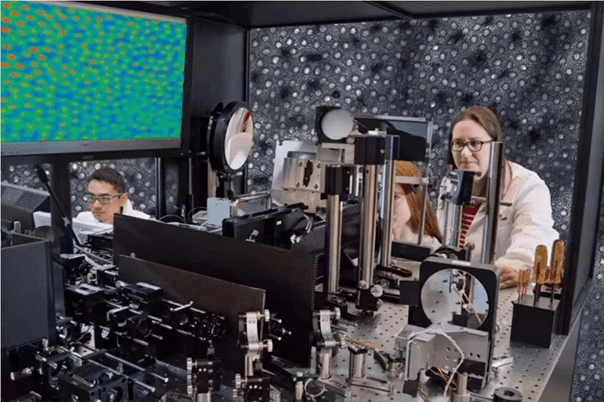
This is precisely the challenge that we at Robotrak Technologies have been working to address for many years: How can we transform adaptive optics from a highly specialized laboratory technology into a standardized, practical, and broadly accessible platform for retinal imaging?
Throughout the development of MONA, our goal has never been simply to achieve higher resolution. We have placed equal emphasis on imaging stability, reproducibility, acquisition efficiency, workflow, and ease of use. We firmly believe that an advanced technology can truly transform clinical practice only when it moves beyond a handful of leading laboratories and becomes reliable and accessible to a much broader community of clinicians, researchers, and medical institutions.
The year 2026 marks thirty years since the commercialization of ophthalmic OCT. It also marks approximately three decades since Professor David Williams and his colleagues laid the pioneering foundations of adaptive optics retinal imaging. Over these thirty years, OCT and AO have advanced along their respective paths. Today, as adaptive optics continues its journey toward broader clinical adoption, we are celebrating another important milestone:
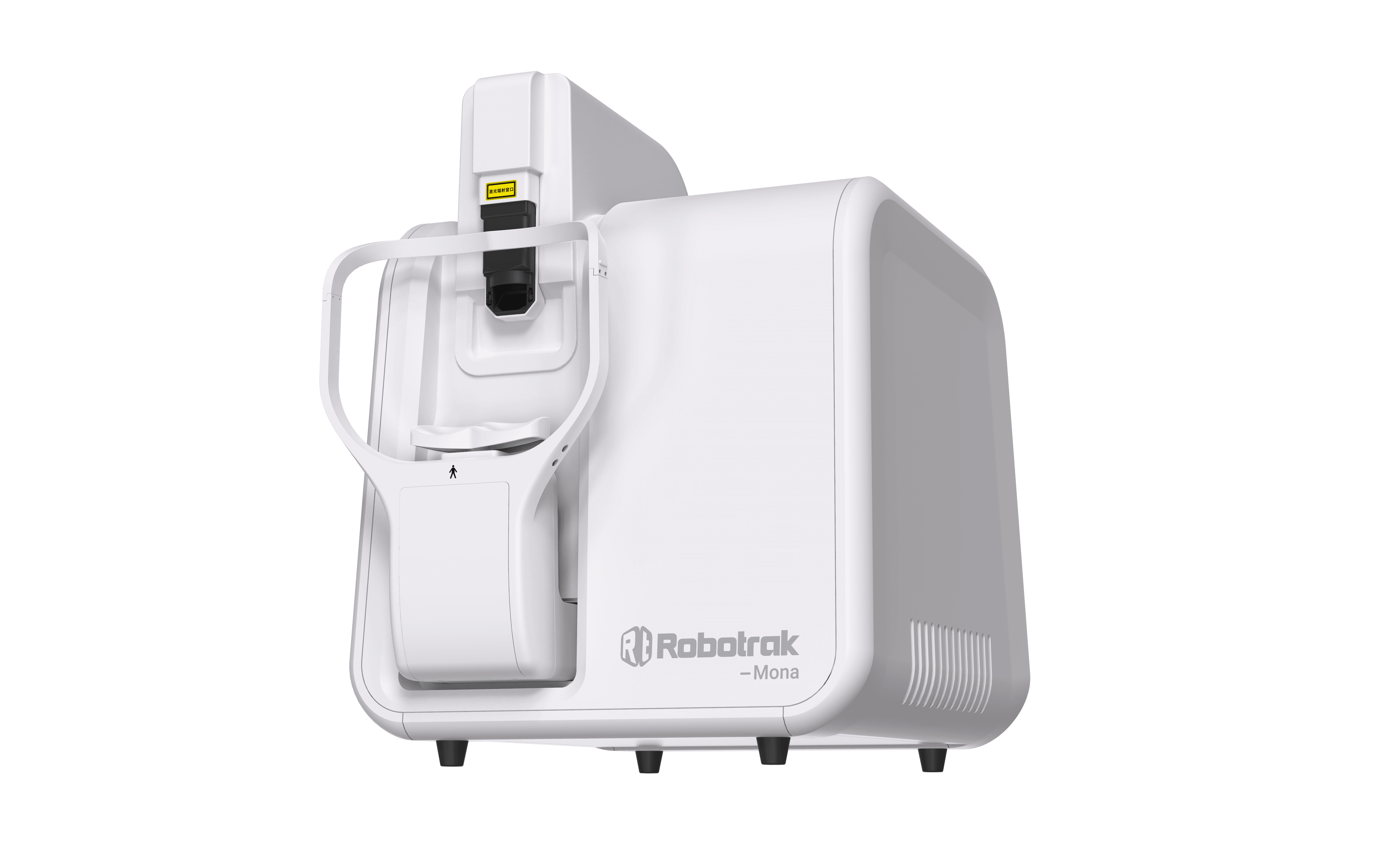
Robotrak's MONA IV has become the world's first commercially available adaptive optics retinal imaging system to receive U.S. FDA 510(k) clearance.
For us, this represents much more than a regulatory milestone. It also marks another important step in the evolution of retinal imaging:
From viewing the fundus,
to visualizing the layers of the retina,
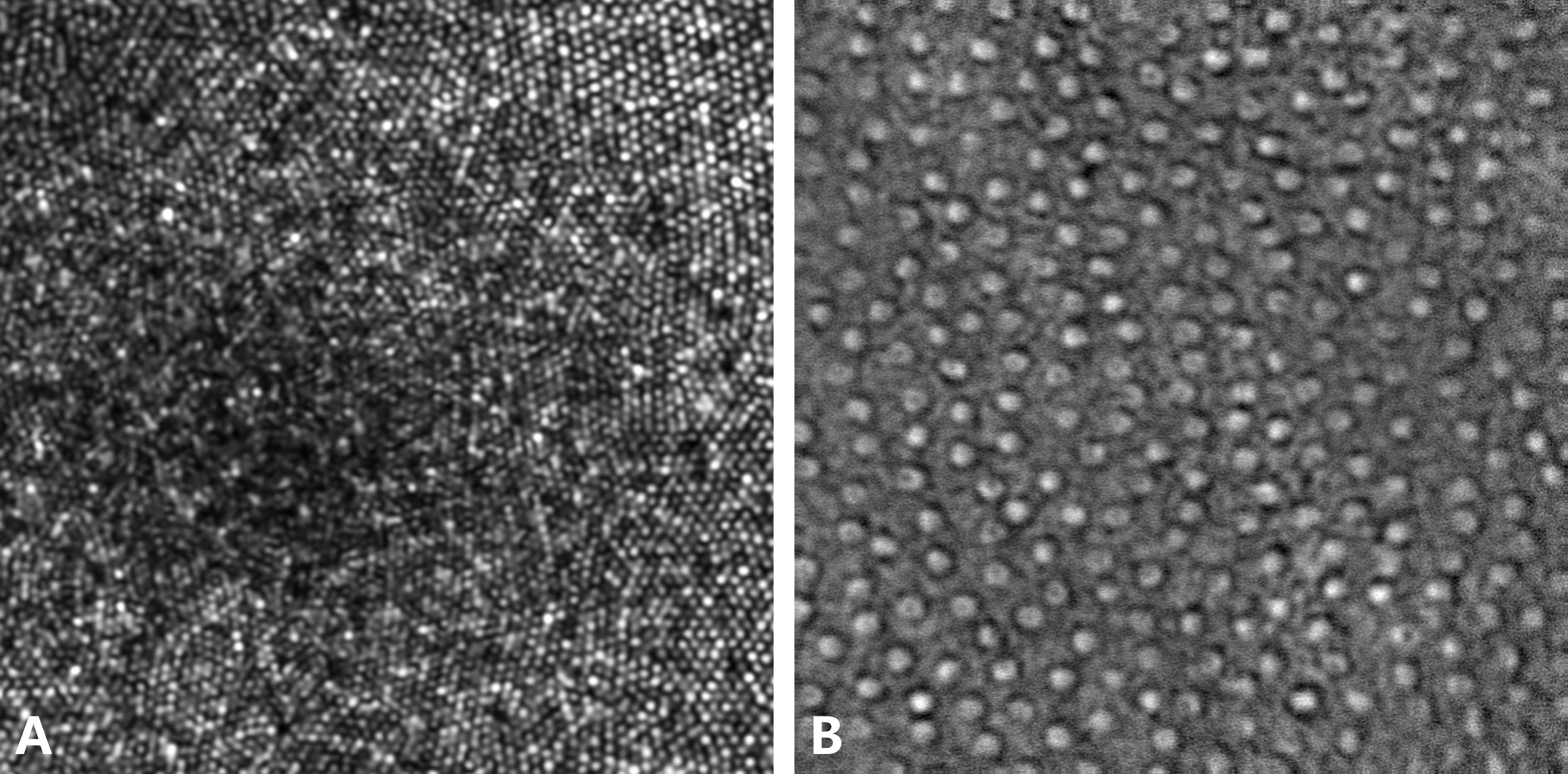
to seeing individual cells in the living human eye.
We have always held deep respect for the pioneers and companies that brought OCT from the laboratory into clinical practice. Companies such as ZEISS played an instrumental role in the early commercialization of OCT, helping establish it as one of the most important imaging technologies in modern ophthalmology. This history reminds us that technologies capable of transforming clinical practice often undergo a long journey—from scientific discovery and engineering innovation to product standardization and, ultimately, widespread adoption.
We are equally grateful to the pioneers of adaptive optics retinal imaging, including David Williams, Junzhong Liang, Austin Roorda, Donald Miller, and many others whose groundbreaking contributions established the scientific foundations of cellular-resolution imaging in the living retina. Their pioneering work made what we are accomplishing today possible.
We hope that adaptive optics will follow a path similar to that of OCT—evolving from an advanced research tool available in only a few specialized laboratories into a technology increasingly used in clinical research, translational medicine, and eventually routine ophthalmic care. There is still a long road ahead. Nevertheless, we believe that as the technology continues to mature and its clinical applications expand, cellular-resolution retinal imaging has the potential to become as indispensable to ophthalmology as OCT is today.
Thirty years ago, adaptive optics opened a new window into the living retina. Today, we are working to make that window more widely accessible to the world.
MONA — Making Adaptive Optics Accessible
Jie Zhang, Ph.D.
Founder, Chairman & Chief Executive Officer
Robotrak Technologies
October 27th, 2026 | Boston, Massachusetts, USA
Reference
[1] Williams DR, Burns SA, Miller DT, Roorda A. Evolution of adaptive optics retinal imaging [Invited]. Biomedical Optics Express. 2023;14(3):1307–1338. https://doi.org/10.1364/BOE.485371